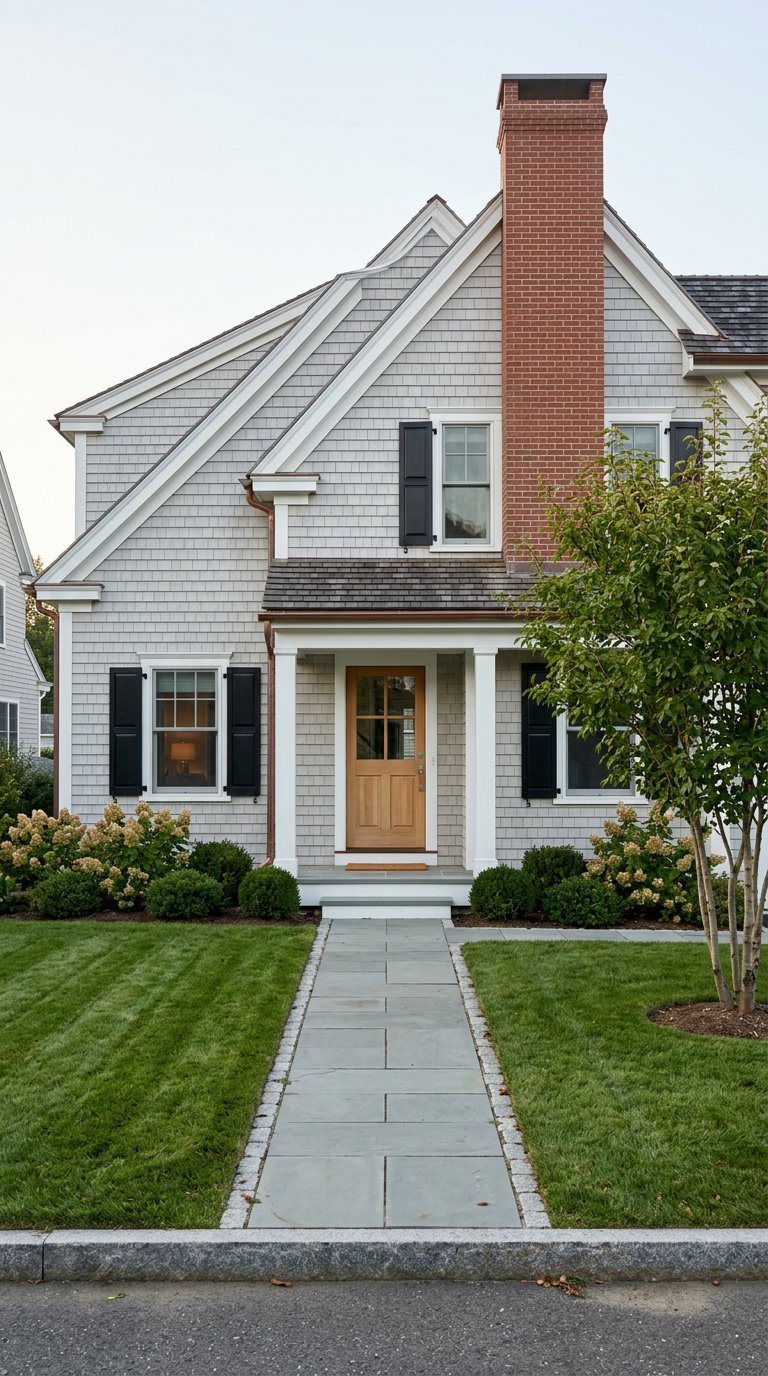
Thinking about a coastal retreat you can reach from Boston in under an hour? Cohasset pairs classic New England scenery with premium properties, but buying a second home here comes with unique coastal, insurance, and regulatory considerations. In this guide, you’ll learn what affects value and carrying costs, how to plan for flood and rental rules, and the key steps to a smart, stress‑reduced purchase. Let’s dive in.
Cohasset market at a glance
Cohasset sits firmly in the luxury tier of Boston’s South Shore. As of January 2026, Zillow’s home-value index is around $1.38M, while Redfin reports a median sale price near $1.6M in the same period. Listing medians often trend higher because they reflect current asking prices rather than closed sales.
Inventory is typically thin and days on market can swing by season. That means well‑priced homes still move, and you should be ready with strong comparables, clear financing, and quick diligence.
Where second‑home buyers shop
Waterfront and harbor corridors
Addresses along Jerusalem Road and the Atlantic Avenue/Beach Street corridor are widely recognized premium locations with limited, often episodic supply. You’ll find classic shingle‑style homes, historic cottages, and a small number of true waterfront estates. Waterfront inventory is scarce, so patience pays. Learn more about neighborhood character and amenities in local overviews of Cohasset’s coastal areas.
Village and harbor‑edge condos
If you prefer a lock‑and‑leave setup, village‑center condos and select newer harbor‑edge developments can offer easier maintenance and walkable dining and shopping. These homes trade convenience for space and yard size, which can be a good match for part‑time use.
Inland options and privacy
Inland neighborhoods often provide larger lots and wooded settings, with better value per square foot than waterfront. Proximity to resident‑only beaches like Sandy Beach and Black Rock, marina access, and open space such as Whitney & Thayer Woods and nearby Wompatuck State Park are lifestyle drivers that influence pricing and demand.
Coastal risk, permits, and insurance
Flood mapping and town overlays
Cohasset regulates development in mapped flood areas through its Floodplain & Watershed Protection District, which is tied to the county’s official FEMA Flood Insurance Rate Maps. Review the town bylaw language for how these overlays apply to specific lots. You should also pull the latest FEMA FIRM panel or check the NFHL to confirm the property’s flood zone and ask for any Letters of Map Change on file.
- See town bylaw references to floodplain regulation: Floodplain & Watershed Protection District.
- Learn how FEMA mapping works: FEMA FIRM and NFHL resources.
Insurance and Risk Rating 2.0
National flood‑insurance pricing now follows FEMA’s Risk Rating 2.0 methodology, which prices each property based on distance to water, structure features, and replacement cost. Two practical takeaways for you:
- Quotes vary widely by property details, not just by flood zone.
- Long‑standing discounts can remain, but some rates have risen.
Get a flood quote early and compare the National Flood Insurance Program to private flood options. A competitive private quote can help for some coastal or high‑value homes, but private carriers can decline or non‑renew, so confirm likely multi‑year availability before you rely on it.
- How Risk Rating 2.0 works: FEMA overview.
- Private flood market basics for Massachusetts: private-market overview.
Town resilience projects and infrastructure
Cohasset participates in the state’s Municipal Vulnerability Preparedness program and has MVP Action grant funding for near‑term resilience planning. The town has also studied the vulnerability of wastewater infrastructure, including the treatment plant and influent pump station. For low‑lying or sewer‑connected properties, factor these municipal projects and any known vulnerabilities into your long‑term cost‑benefit thinking.
- See MVP Action Grant initiatives.
- Read about coastal resilience work tied to wastewater infrastructure.
Taxes, rentals, and income potential
Property tax posture
For FY2026, Cohasset set a single tax rate of $11.35 per $1,000 of assessed value. On a $1.5M assessed property, that implies about $17,025 in annual taxes. Plan for possible assessment changes after a sale, and always confirm the current rate with the Town Assessor or Treasurer.
- Latest rate context: Select Board discussion of FY2026 rate.
Short‑term rentals and regulations
Massachusetts treats short‑term rentals (STRs) as lodging for tax purposes and allows municipalities to require registration, add local excise taxes, or regulate STRs. As of early 2026, Cohasset does not show a widely posted, town‑level STR ordinance, but local policy is an active topic and can change. If you plan to rent:
Register for state STR taxes and follow Massachusetts rules.
Ask the Cohasset Planning, Building, and Health Departments if a local STR registration, cap, or permit exists.
Review any condo or HOA documents for nightly‑rental limits.
Statewide STR framework overview: Massachusetts STR rules.
Town contacts and meeting information: Town of Cohasset site.
Seasonal rental revenue reality
Cohasset’s vacation rental market shows premium nightly rates in summer but lower occupancy outside peak season. If you are underwriting income, model conservative occupancy, include management and platform fees, and carry appropriate insurance.
- Market snapshot and seasonality indicators: Cohasset STR analytics.
Financing and logistics for second‑home buyers
Jumbo vs. conforming loans
For 2026, the FHFA baseline conforming loan limit is $832,750 for one‑unit properties in most counties. Many Cohasset purchases exceed that, so expect jumbo‑loan underwriting, which often requires higher down payments, stronger reserves, and tighter debt‑to‑income ratios. Clarify with your lender whether the loan will be classified as a second home or an investment property, since that can affect terms.
- 2026 conforming loan limits: FHFA announcement.
Getting here and getting around
Cohasset is served by the MBTA Greenbush Line, with a station in town that connects to Boston’s South Station. If you plan to host guests or rent seasonally, factor station access, parking, and summer traffic into your convenience score.
- Station info and schedule context: MBTA Greenbush Line, Cohasset station.
Inspections and coastal diligence
Always pair high‑quality virtual tours with an in‑person inspection before you finalize. For coastal properties, add an elevation certificate if available, a recent septic inspection or proof of town sewer connection, and a structural inspection that focuses on sea‑facing elements, HVAC, foundation, and stonework. Ask the town’s Building & Inspections office for recent permit history and any recorded coastal permits.
- Local permitting and inspection process: Building & Inspections, Town of Cohasset.
Operating costs to expect
Build a realistic budget that reflects coastal ownership:
Winterization and spring commissioning for plumbing and heating.
Elevated insurance for coastal wind and flood exposure.
Driveway and snow removal services.
Dock, mooring, or beach‑association fees where applicable.
Higher marine trades and contractor rates for shoreline work.
Property management fees if you plan to rent.
If connected to town sewer, request any available maintenance records and be aware of wastewater system vulnerability findings tied to coastal resilience planning.
Town coastal resilience and wastewater context: wastewater and resilience overview.
Your step‑by‑step due‑diligence checklist
Use this list to streamline your second‑home search and protect your investment:
- Confirm sewer vs septic and capacity. Ask for a recent septic inspection or sewer hookup records and check any transfer requirements with the town.
- Pull FEMA flood info. Identify the property’s FIRM panel and NFHL designation, and request an elevation certificate if available.
- Get multiple flood quotes. Compare NFIP and at least one private insurer. Note replacement cost, deductibles, and contents coverage.
- Review zoning overlays. Check floodplain, watershed, and any MBTA‑Communities overlays for limits on additions, ADUs, or rentals.
- Check permits and coastal filings. Request recent building permits, invoices for seawalls or shoreline work, and any conservation commission filings.
- Verify beach, dock, or mooring rights. Confirm deeded rights and any private easements or HOA rules in writing.
- Model rentals conservatively. If you plan to rent, confirm any local registration requirements, fire and building code compliance, and realistic seasonal occupancy after management fees.
- Clarify financing early. Confirm whether your loan will be treated as conforming or jumbo and whether it will be underwritten as a second home or an investment property.
Helpful resources for the steps above:
- Town Building & Inspections overview.
- FEMA FIRM and NFHL resources.
- Floodplain bylaw reference.
- Town coastal resilience context.
- Massachusetts STR rules.
- FHFA loan limit update.
What a winning offer looks like in Cohasset
In a thin‑inventory, upper‑end market, confidence and clarity matter. Get full pre‑approval with documented assets, use recent local comparables, and present clean terms with reasonable timelines. Consider a flexible close or rent‑back if that helps the seller’s move. Keep inspection timelines tight, but do not skip critical coastal inspections, especially where flood or shoreline structures are involved.
Work with a local advisor you trust
A second‑home purchase in Cohasset should feel exciting, not overwhelming. You deserve clear answers, careful diligence, and smooth coordination from offer to closing and beyond. If you want a calm, boutique process backed by deep South Shore expertise, reach out to the Doran Hall Team to start a private, goal‑focused conversation.
FAQs
What price range should I expect for a Cohasset second home?
- As of January 2026, Zillow’s home‑value index is around $1.38M and Redfin’s median sale price is about $1.6M, with asking prices often higher for waterfront or harbor‑proximate homes.
How do flood zones impact ownership and insurance in Cohasset?
- Flood zones trigger town floodplain rules and influence insurance under FEMA’s Risk Rating 2.0, so verify the FIRM/NFHL designation, get an elevation certificate, and compare NFIP to private quotes.
Can I run a short‑term rental in Cohasset?
- Massachusetts requires STR tax registration and allows towns to regulate; confirm the latest local requirements with Cohasset’s Planning, Building, and Health Departments and check any HOA or condo rules.
What is Cohasset’s property tax rate for budgeting?
- For FY2026, the single rate is $11.35 per $1,000 of assessed value, with assessments subject to change after a sale; verify the current fiscal‑year rate with the town before closing.
How easy is it to reach Boston from a second home in Cohasset?
- The MBTA Greenbush Line serves Cohasset Station with service to South Station, offering convenient access for owners, guests, and potential renters.
Which inspections are most important for a coastal property?
- In addition to standard home inspections, prioritize flood mapping, an elevation certificate, septic or sewer status, and structural reviews of sea‑facing elements, foundation, and stonework.
Is waterfront inventory abundant in Cohasset?
- No. True waterfront and harbor‑proximate homes are limited and list irregularly, so expect a patient search and decisive action when the right property appears.