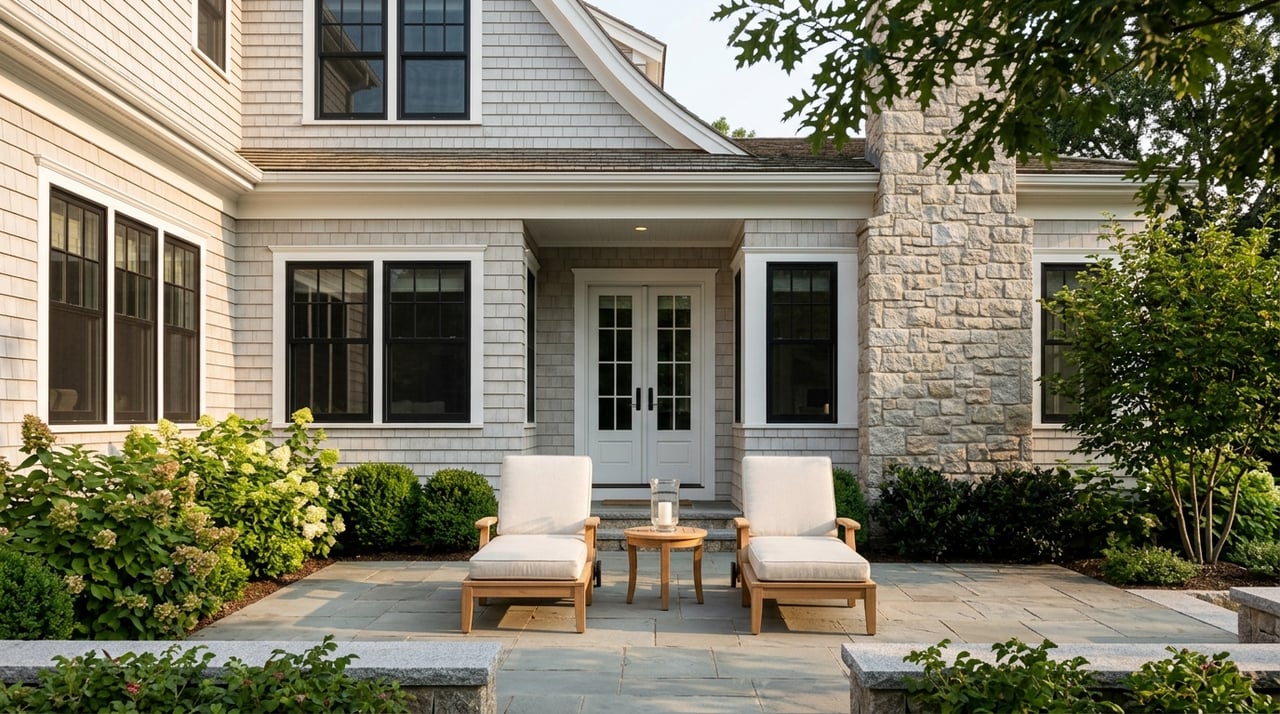
If you are drawn to Cohasset, you are probably not deciding whether you like the town. You are deciding how you want to live in it. Some buyers picture a compact routine near shops and restaurants, while others want a quieter, water-oriented setting shaped by harbor access and beach days. This guide will help you compare Cohasset Village and the town’s more tucked-away coastal enclaves so you can choose the setting that fits your daily life best. Let’s dive in.
Cohasset at a Glance
Cohasset is a small coastal town of about nine square miles with roughly 8,000 residents. Route 3A crosses town, and the MBTA commuter rail serves the area, which matters if your routine includes trips toward Boston.
Within that small footprint, the feel can change quite a bit. The main distinction is not usually distance. It is daily rhythm. Cohasset Village acts as the town’s compact civic and commercial core, while the harbor- and beach-oriented areas feel more residential and more centered on the water.
What Cohasset Village Feels Like
Cohasset Village is the clearest choice if you want a classic small-town center. Town materials describe the village center and common as a place where historic buildings and landmarks sit alongside specialty shops and restaurants.
The Village District itself is relatively small, about 21 acres, which helps explain why it feels compact and connected. If you value being close to casual errands, a coffee stop, or an easy dinner out, the village offers the most convenient setup in town.
The village is also the most walkable environment in Cohasset. Town design guidance points to sidewalks, pass-through walkways, and a pedestrian network, all of which support a more connected, on-foot daily routine.
What Coastal Enclaves Feel Like
Cohasset’s coastal enclaves offer a different kind of appeal. Instead of storefront activity and a civic center feel, these areas lean into a quieter residential experience shaped by the harbor, beaches, and waterfront access.
Town harbor guidance focuses on buildings that relate to both the street and the water. It also emphasizes waterfront pedestrian accessways, promenades, and lighting rules meant to protect views and reduce glare over the harbor. In practical terms, that points to an environment where the water is the defining feature.
For many buyers, that translates to a more private and less commercial setting. If your ideal day includes marina access, boating, kayaking, rowing, or simply being near the shoreline, the coastal side of Cohasset may feel like the better fit.
Home Patterns and Lot Sizes
One of the biggest differences between these settings shows up in how homes are arranged. In the village, the zoning structure supports a denser and more compact environment.
The zoning map shows the Village Business District with a 5,000-square-foot minimum lot size. By contrast, residential districts elsewhere step up to 18,000 square feet in Residence A, 35,000 square feet in Residence B, and 60,000 square feet in Residence C. That structure strongly suggests that areas outside the village, including many coastal residential pockets, offer more space and lower density.
The village also includes some interior parcels with potential for multifamily residential development, while other parts are largely built out and more likely to see renovation or rehabilitation than major new construction. For you as a buyer, that means village living may come with a more established streetscape and a tighter pattern of homes and buildings.
Daily Convenience Versus Privacy
If your priority is convenience, the village has the edge. It is the town’s most obvious center for shops, restaurants, and everyday activity, making it easier to keep your routine compact.
If your priority is privacy, the coastal enclaves may be more appealing. The larger lot patterns in residential districts, combined with the town’s waterfront-oriented design standards, support a setting that often feels quieter and less built around commerce.
Neither choice is better in the abstract. The right choice depends on whether you want your surroundings to feel active and connected or more tucked away and residential.
Commuting From Cohasset
For many buyers, especially relocating professionals, the commute matters almost as much as the home itself. The MBTA Greenbush Line includes Cohasset station and connects riders to South Station.
The schedule also shows parking available at Cohasset station, which can be useful if your routine is train-based or a mix of train and car travel. In a town like Cohasset, that flexibility can make a meaningful difference in how you plan your week.
Your exact experience may vary depending on where you live in town, but the key question is simple. Do you want your routine anchored by a walkable center, or are you comfortable driving more often in exchange for a more secluded coastal setting?
Parking Rules to Know
Parking is one of those details that can shape your lifestyle more than buyers expect. In Cohasset, the town has a townwide overnight parking ban from November 15 to April 15 between 2 a.m. and 6 a.m.
There is also a separate rule that overnight parking is prohibited year-round in Cohasset Village. If you are considering the village core and expect to keep multiple cars or rely on street parking, this is an important factor to understand early.
Beach and harbor parking also requires planning. The town requires a current All Facilities Sticker to park at Sandy Beach, Government Island, Black Rock Beach, and Wadleigh Park. If beach access is part of your regular routine, permit logistics are worth factoring into your decision.
Water Access and Coastal Lifestyle
If the coast is what draws you to Cohasset, the harbor side offers a strong lifestyle case. Cohasset Harbor includes five public docks, a public boat ramp at Parker Avenue, a marina with 75 slips, a sailing club, a yacht club, rowing programs, and coastal research programming.
The harbor also remains home to an active lobster fishing fleet, which adds to the area’s working waterfront character. For buyers who want a true maritime setting, this is one of the most distinctive parts of living in Cohasset.
The town also identifies three tested recreational water bodies: Black Rock Beach, Sandy Beach, and Bassings Beach. One nuance worth noting is that Bassing Beach is in Scituate, though it sits along one side of the channel into Cohasset Harbor and has long been used by Cohasset residents.
Which Setting Fits Your Lifestyle?
Cohasset Village tends to suit buyers who want the most compact routine possible. If you like the idea of being near shops, restaurants, and the town’s civic center, and you do not mind a more built-out setting, the village may be the right match.
The coastal enclaves tend to suit buyers who put water access, marina life, and a quieter residential environment first. If you want a more private feel and do not need to be in the middle of the village every day, the harbor- and beach-oriented areas may align better with your goals.
Cohasset as a whole is also a premium, largely owner-occupied market. U.S. Census Bureau QuickFacts reports an owner-occupied housing unit rate of 83.0% and a median owner-occupied home value of $1,318,900 for 2020 through 2024. In other words, this is often less about finding an entry point and more about choosing the setting that supports the lifestyle you want most.
If you are weighing village convenience against coastal privacy, a clear plan can make the search much more efficient. The right home in Cohasset is not just about square footage or price point. It is about how you want your mornings, weekends, and commute to feel. When you are ready for thoughtful guidance on Cohasset and the South Shore, the Doran Hall Team can help you compare your options with a local, high-touch approach.
FAQs
Is Cohasset Village walkable for daily errands?
- Yes. Town guidance highlights sidewalks, pass-through walkways, and a pedestrian network, and the village is the town’s main area for shops and restaurants.
Are Cohasset coastal areas closer to beaches and boating?
- Generally, yes. The harbor side is more water-focused, with public docks, a boat ramp, a marina, and access to beach-oriented recreation.
Does Cohasset Village have stricter parking rules?
- Yes. Overnight parking is prohibited year-round in Cohasset Village, and the town also has a seasonal overnight parking ban from November 15 to April 15 between 2 a.m. and 6 a.m.
Is Cohasset a good option for Boston commuters?
- It can be, especially if you plan to use the MBTA Greenbush Line from Cohasset station to South Station.
Do you need a permit to park at Cohasset beaches?
- Yes. The town requires a current All Facilities Sticker to park at Sandy Beach, Government Island, Black Rock Beach, and Wadleigh Park.
Are homes outside the village usually on larger lots in Cohasset?
- In many cases, yes. The zoning map shows much larger minimum lot sizes in residential districts outside the Village Business District, which supports a lower-density feel.