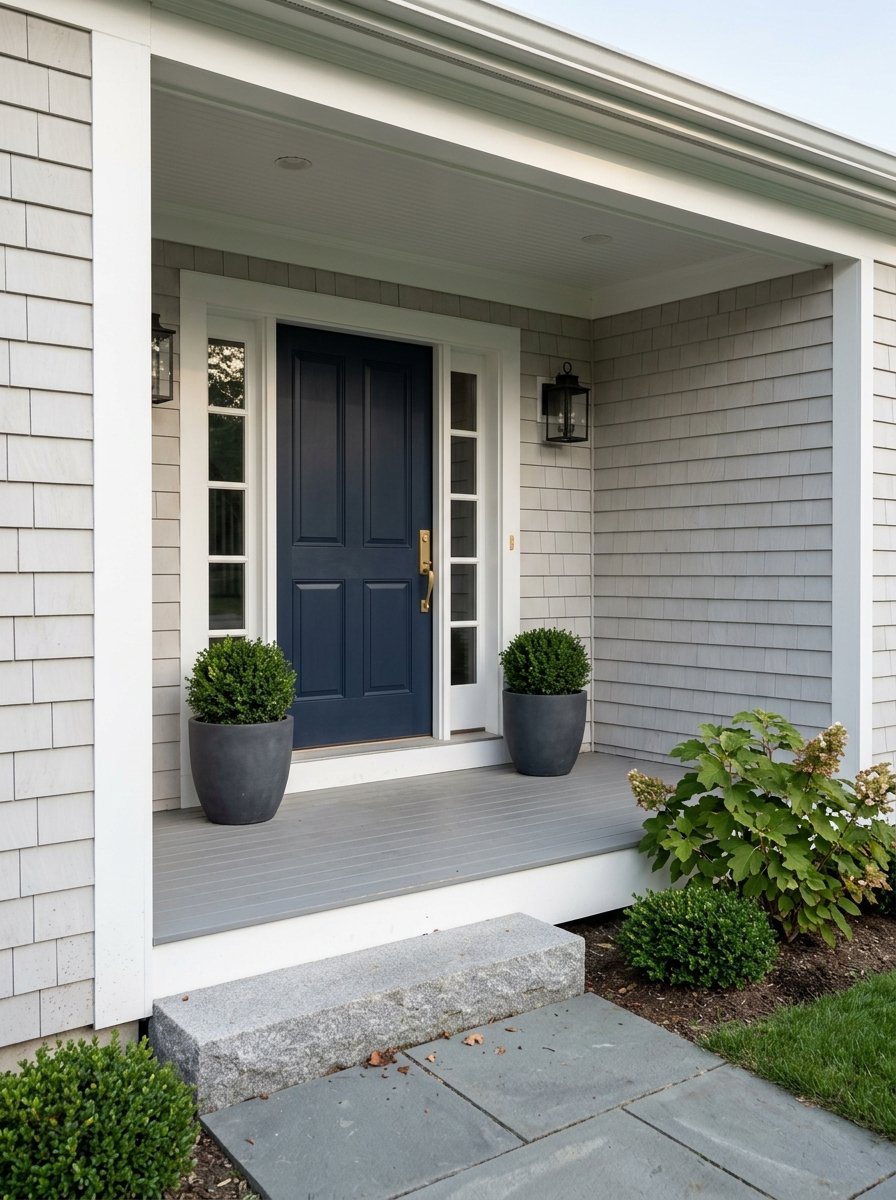
Is your Cohasset coastal home truly ready to sell, or just cleaned up for photos? In this market, buyers often look past fresh flowers and tidy rooms and focus on the details that matter near the coast, like drainage, moisture, maintenance, and documentation. If you want to make a strong impression and avoid last-minute surprises, a thoughtful pre-list plan can help you present your home with confidence. Let’s dive in.
Why coastal prep matters in Cohasset
Selling near the coast in Cohasset is a little different from preparing an inland home. The town identifies flooding as its most prevalent serious natural hazard, including both coastal flooding and stormwater flooding. It also notes that flooding can happen outside FEMA Special Flood Hazard Areas, with rainfall and high seasonal groundwater affecting basements and septic systems.
That means buyers may pay close attention to how your property handles water, not just how it looks on showing day. A well-prepared coastal listing should address presentation, maintenance, and records that help explain the home’s condition and care.
Start with water management
Before you spend heavily on cosmetic updates, look at how water moves around your property. In Cohasset, drainage, runoff, and seasonal groundwater can affect basements, yards, and septic systems, so these issues often matter to buyers.
Walk the property after a heavy rain if possible. Look for pooling water, soggy spots, downspouts that discharge too close to the house, and any signs that water has been collecting near the foundation.
If you have completed past mitigation work, gather those records early. Buyers may appreciate documentation that shows what was done, when it was done, and how the work has helped manage water on the property.
Focus on exterior coastal wear
Salt air can be tough on a home’s exterior. FEMA’s Coastal Construction Manual notes that coastal buildings need ongoing maintenance because salt spray, moisture, weathering, and corrosion are persistent issues.
In practical terms, that means buyers may notice rust, peeling paint, worn trim, and aging hardware faster than they would in a less exposed setting. Even small signs of deferred maintenance can make a home feel less cared for than it really is.
Check these exterior details
A strong pre-list exterior review often includes:
- Pressure-washing away salt residue and buildup
- Repainting peeling or weathered trim
- Replacing rusted fixtures or hardware
- Inspecting railings, flashing, and deck connections
- Checking gutters and downspouts for proper function
- Refreshing exterior lighting if corrosion is visible
If your home is closer to the shoreline, these items deserve even closer review. FEMA notes that salt spray can be especially hard on exposed metal details, and stainless steel is recommended where rapid corrosion is expected.
Be careful with landscaping changes
It is smart to improve curb appeal, but in Cohasset, site work near wetlands or water requires caution. The town’s wetlands bylaw prohibits work within 100 feet of many wetlands or resource areas and within 100 feet of land subject to tidal action unless permitted.
That matters if you are thinking about regrading, clearing, adding hardscape, changing drainage, or making other outdoor improvements before listing. Some projects may need review by the Conservation Commission, and certain land-alteration work may also require Planning Board review.
Projects that may need review
Depending on the property, pre-list work that can trigger town review may include:
- Grade changes
- Drainage changes
- Added impervious surfaces
- New or expanded patios and walkways
- Driveway changes
- Clearing or earth removal
- Fences or sheds in regulated areas
If your lot is near wetlands, shoreline-related resource areas, or flood-prone land, check first before starting work. It is usually better to confirm the rules upfront than to create a permitting issue while preparing to sell.
Brighten the interior thoughtfully
Once the exterior and site concerns are addressed, turn to presentation inside the home. Staging remains important because the 2025 National Association of Realtors staging report found that 83% of buyers’ agents said staging makes it easier for buyers to visualize a property as a future home.
The same report found the living room was the most important room to stage, followed by the primary bedroom and kitchen. It also reported that some sellers saw modest gains in offer value and slight decreases in time on market.
For a Cohasset coastal home, buyers often respond well to interiors that feel bright, dry, and easy to move into. Your goal is not to erase personality completely. It is to reduce distraction and make the home feel calm, cared for, and well maintained.
High-impact interior updates
Focus first on the spaces that shape buyers’ early impressions:
- Declutter main living areas
- Simplify heavy or busy window treatments
- Neutralize highly personal decor
- Touch up scuffed trim and walls
- Improve lighting where rooms feel dim
- Make the living room, primary bedroom, and kitchen photo-ready
Professional photography and thoughtful staging can help these improvements stand out. For many sellers, polished presentation is what helps a well-maintained home compete more effectively from the moment it hits the market.
Keep lead paint rules in mind
If your home was built before 1978, Massachusetts requires Property Transfer Lead Paint Notification before a buyer signs a purchase and sale agreement. The state also notes that homes built before 1978 may contain lead.
This is especially important if your prep list includes repainting or disturbing older painted surfaces. Massachusetts requires lead-safe renovation practices for work that disturbs more than 6 square feet of interior painted surface per room or more than 20 square feet of exterior painted surface.
If your home falls into this category, plan early and use the proper process. That can help you avoid delays and support smoother disclosure once your home is listed.
Inspect septic early if applicable
If your property uses a septic system, do not leave that step until the last minute. MassDEP says septic systems should be inspected when you buy or sell a home, and pumped at least once every three years.
In Cohasset, this matters even more because the town’s hazard mitigation plan notes that increased rainfall and high seasonal groundwater can affect septic systems. An early inspection can give you time to understand the system’s condition and address next steps before buyers are involved.
Organize flood and property records
Some of the most valuable pre-list work happens at your desk, not on a ladder. Buyers and lenders may ask questions about flood exposure, insurance, drainage improvements, and prior mitigation.
Even though certain lender requirements may be tied to Special Flood Hazard Areas, Cohasset’s hazard plan emphasizes that flood losses can occur outside those mapped areas too. That is why it is helpful to gather any available records before listing.
Helpful documents to collect
Consider organizing:
- Flood map information for the property
- Elevation or mitigation records if available
- Records of drainage improvements
- Notes or invoices for past water-management work
- Septic inspection and maintenance records if applicable
- Permits or approvals for relevant site work
Having this information ready can help you answer questions faster and show buyers that you have approached the sale carefully.
Allow time for local review
If your home is near wetlands, shoreline resource areas, or within areas affected by overlay regulations, timing matters. Cohasset zoning includes a Floodplain and Watershed Protection Overlay District, and certain projects can involve multiple boards, public hearings, and abutter notices.
That does not mean you should avoid preparation. It means you should start sooner than you think if your pre-list plan includes anything beyond simple maintenance and cosmetic work.
Build the right pre-list team
Preparing a coastal home for sale often works best when you take a team approach. Depending on the property, that might include a home inspector familiar with coastal wear, a septic inspector, a contractor who understands salt-air maintenance, and professionals who can help with staging and photography.
When site conditions are more complex, it can also help to confirm whether planned improvements need town review before work begins. A careful process can protect your timeline and help your home come to market in its strongest possible light.
A smart sale starts before listing day
The best Cohasset coastal listings rarely come together by accident. They are usually the result of thoughtful preparation, realistic prioritizing, and a clear plan for both presentation and property condition.
If you are thinking about selling, the goal is not to over-improve everything. It is to focus on the updates, records, and details that help buyers feel confident about your home from the first showing through closing. When you prepare with that mindset, you give yourself the best chance at a smoother sale and a stronger result.
If you are planning a sale in Cohasset or elsewhere on the South Shore, the Doran Hall Team can help you build a smart pre-list strategy with polished marketing, trusted guidance, and concierge-level coordination.
FAQs
What should sellers fix first in a Cohasset coastal home before listing?
- Start with water management, visible exterior maintenance, and any issues related to drainage, moisture, or corrosion. These concerns often carry more weight in coastal properties than purely cosmetic updates.
Do Cohasset landscaping changes require approval before selling?
- Some do. If your property is near wetlands, tidal areas, or regulated resource areas, work such as grading, drainage changes, clearing, patios, walkways, driveways, fences, or sheds may require review by the Conservation Commission or other local boards.
Does a Cohasset home need septic inspection before sale?
- If the property uses a septic system, MassDEP says it should be inspected when you buy or sell a home. Early inspection is especially helpful in Cohasset because rainfall and seasonal groundwater can affect septic performance.
What interior rooms matter most when staging a Cohasset home for sale?
- The 2025 NAR staging report found that the living room mattered most, followed by the primary bedroom and kitchen. Those are good places to focus first when preparing for photos and showings.
What records should sellers gather for a coastal Cohasset listing?
- Useful records may include flood map information, elevation or mitigation records if available, drainage improvement records, septic records if applicable, and permits or approvals for site work related to water management or regulated areas.
Do pre-1978 Cohasset homes have special disclosure rules when selling?
- Yes. Massachusetts requires Property Transfer Lead Paint Notification before a buyer signs a purchase and sale agreement, and lead-safe renovation rules may apply if prep work disturbs painted surfaces beyond state thresholds.