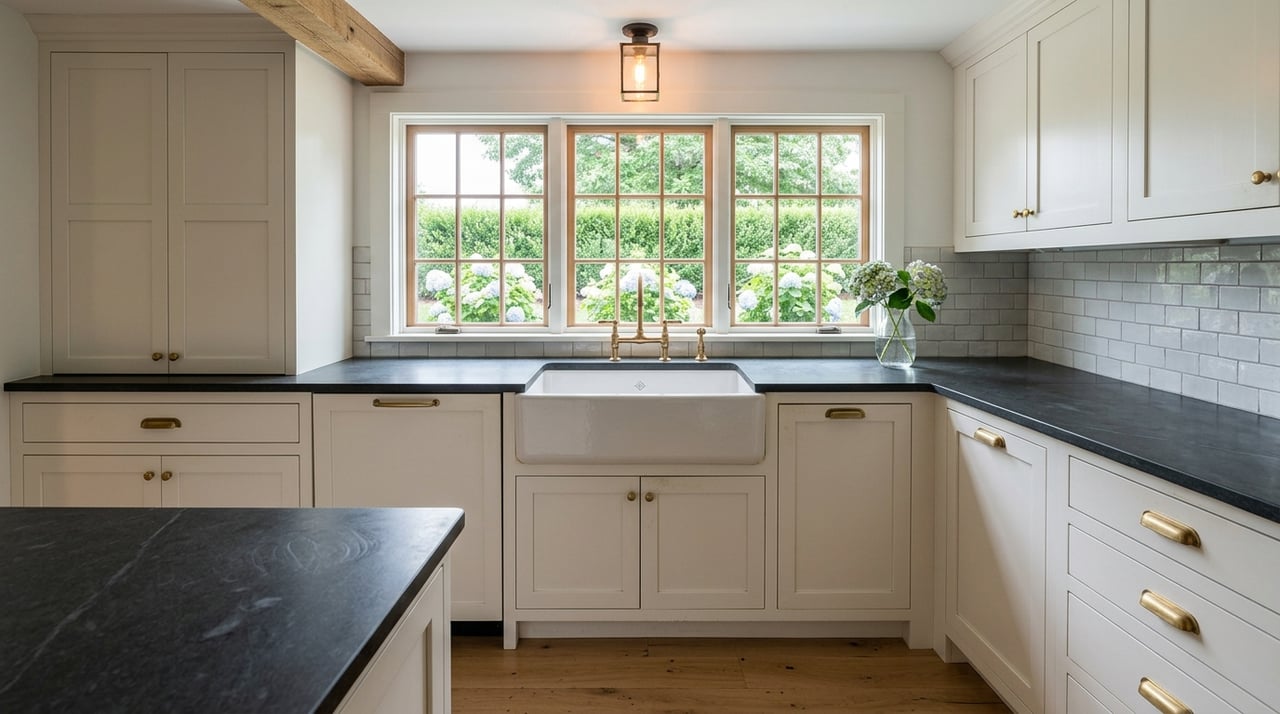
Older homes in Duxbury can be hard to resist. From shipbuilding-era details to later 19th-century design, these properties often offer the kind of character you simply cannot recreate in new construction. If you are drawn to that history, it helps to go in with clear eyes about inspections, maintenance, local rules, and coastal considerations. Let’s dive in.
Why older homes stand out in Duxbury
Duxbury is a historic coastal town on the South Shore, and its older housing stock reflects that long history. Local historical sources note that the town is known for shipbuilding-era homes, with an unusual number of Federal-period houses still standing, especially along Washington Street, St. George Street, and Powder Point Avenue.
You may also see homes from more than one era in the same area. Duxbury’s older-home inventory includes Federal, Greek Revival, and Victorian-era buildings, which means style, layout, and upkeep needs can vary quite a bit from one property to the next.
What architectural details you may notice
If you are touring an older home in Duxbury, certain exterior details can offer clues about its age and style. Federal-style homes in town often feature symmetrical front facades, fanlights over the door, sidelights, dentil moldings, and decorative swags or garlands.
You may also notice hip roofs, flat roofs with balustrades, Palladian or elliptical windows, and brick ends. In other homes, especially from later periods, you might see more decorative trim or more complex massing tied to Greek Revival or Victorian design.
Why style matters to your budget
Character is part of the appeal, but era matters because repair and maintenance needs are not one-size-fits-all. A home that has kept more original materials may require a different level of care than one that has been extensively updated over time.
That does not mean older homes are a problem. It means your goal should be to understand what has been preserved, what has been replaced, and what may need attention after closing.
Start with a realistic home inspection
In Massachusetts, a standard home inspection is a visual examination of the home’s readily accessible areas and major systems. The state notes that it is limited in scope, is not a building-code inspection, and is not a guarantee or insurance policy.
Inspectors typically review the roof, attic, walls, ceilings, floors, windows, doors, basement, foundation, heating and cooling, plumbing, and electrical systems. For an older Duxbury home, that overview can be especially helpful because it gives you a practical snapshot of the property’s major components.
Attend the inspection if you can
Massachusetts recommends hiring a licensed home inspector and, when possible, attending the inspection. That is good advice for any purchase, but it is especially valuable with an older home.
When you are there in person, you can ask questions, see how systems operate, and better understand what routine maintenance may look like after you move in. That firsthand context often helps you weigh the home’s charm against its likely upkeep.
Know what a basic inspection does not cover
A key point for older-home buyers is that a standard inspection does not cover everything. Massachusetts recommends considering additional tests before the final purchase agreement, including lead paint, water quality, wood-destroying insects, radon, and fungi, mold, or allergens.
These are usually handled by separate licensed specialists. If you are serious about an older home in Duxbury, it is wise to think through which added evaluations make sense for that particular property.
Pay close attention to lead paint
Lead is one of the most important issues in older housing. According to the EPA, the older the home, the more likely it is to contain lead-based paint, and the agency estimates that 87% of homes built before 1940 contain some lead-based paint.
For homes built between 1960 and 1978, the EPA estimate is 24%. If you want to know whether lead-based paint or lead hazards are present, the EPA recommends hiring a certified inspector or risk assessor.
Understand the disclosure rules for pre-1978 homes
If the home was built before 1978, lead disclosure rules are part of the process. Federal law requires sellers, landlords, real estate agents, and property managers to disclose known lead-based paint and lead-hazard information before a contract is signed, provide the EPA pamphlet, and give buyers a 10-day period to conduct a lead inspection or risk assessment.
Massachusetts also has Property Transfer Lead Paint Notification requirements for homes built before 1978. For buyers, the practical takeaway is simple: confirm what has been disclosed, what is known, and whether you want additional lead evaluation before moving forward.
Check septic status early
If the property uses a septic system, Title 5 should be part of your due diligence. MassDEP advises buyers and sellers to have septic systems inspected when buying or selling a home.
The state also notes that if weather conditions prevent a pre-sale inspection, the inspection can be completed up to six months after the sale, as long as the buyer is notified in writing. If a Duxbury home has septic, make sure you know whether a Title 5 inspection has been scheduled, completed, or documented.
Review Duxbury historic district rules
Some of the most appealing older homes in Duxbury may also come with added review requirements for exterior changes. Under the town’s Local Historic Districts Commission guidelines, exterior work visible from a public way in a local historic district generally requires commission review and a certificate before a building permit can be issued.
That can affect projects such as window replacements, trim changes, additions, and similar exterior work. If you already have renovation ideas in mind, find out early whether the home is in one of Duxbury’s local historic districts.
Understand demolition-delay limits
Duxbury’s Historical Commission administers a demolition-delay bylaw that applies to the partial or total demolition of any structure 75 years old or more. The review is used to determine whether the structure has architectural or historical significance.
For buyers, this matters even if you are not planning a teardown. Major future changes may be shaped by local preservation rules, so it is smart to understand those rules before you buy.
Factor in coastal conditions
Duxbury’s location is part of its appeal, but it also adds another layer to due diligence. The town’s coastal resiliency materials state that Duxbury faces increasingly frequent flood threats from stronger storm surges, more intense coastal storms, and rising sea levels.
For waterfront or low-lying properties, checking the town’s flood map and emergency preparedness resources is a sensible step. Coastal setting and historic housing can be a compelling mix, but you want a clear picture of how location may affect ownership.
Questions to answer before you make an offer
Before you move ahead on an older home in Duxbury, try to get clear answers to a few practical questions:
- Is the home in one of Duxbury’s Local Historic Districts?
- Will any planned exterior work require commission approval?
- What updates have already been made to the roof, foundation, plumbing, electrical, heating and cooling, and windows?
- Do you want separate testing for lead, radon, termites, mold, or water quality?
- If the home has septic, has a Title 5 inspection been completed or scheduled?
- If the property is waterfront or low-lying, have you reviewed local flood and resiliency information?
Balance charm with a clear plan
Buying an older home in Duxbury is often about balancing emotion with preparation. You may fall in love with original details, classic proportions, or a location tied to the town’s long history, but the smartest purchase is one where you also understand condition, maintenance, and local review requirements.
When you take that approach, character becomes something you can enjoy rather than something that catches you off guard. In a town like Duxbury, that kind of informed planning can make all the difference from day one.
If you are considering an older home on the South Shore and want thoughtful guidance through the details, the Doran Hall Team can help you evaluate the opportunity with clarity and confidence.
FAQs
What makes older homes in Duxbury different from newer homes?
- Older homes in Duxbury often reflect Federal, Greek Revival, or Victorian-era design and may come with different maintenance needs, preservation considerations, and inspection priorities than newer construction.
What does a Massachusetts home inspection cover for an older home?
- A standard Massachusetts home inspection is a visual review of readily accessible areas and major systems, including the roof, attic, walls, floors, windows, doors, basement, foundation, heating and cooling, plumbing, and electrical systems.
What extra tests should you consider for an older home in Duxbury?
- Massachusetts recommends considering separate tests for lead paint, water quality, wood-destroying insects, radon, and fungi, mold, or allergens because these are not part of a basic home inspection.
What should you know about lead paint in older Duxbury homes?
- Lead-based paint is more common in older housing, and for pre-1978 homes there are required disclosure steps before a contract is signed, along with a 10-day period for a lead inspection or risk assessment.
What is the Title 5 septic inspection in Massachusetts?
- Title 5 is the Massachusetts septic-system framework, and the state advises buyers and sellers to have septic systems inspected when a home is being bought or sold.
What are Duxbury historic district rules for older homes?
- In Duxbury local historic districts, exterior work visible from a public way generally requires review by the Local Historic Districts Commission and a certificate before a building permit can be issued.
Why should you check flood risk for an older home in Duxbury?
- Duxbury’s coastal resiliency materials note increasing flood threats from storm surges, stronger coastal storms, and rising sea levels, so flood-related due diligence is important for waterfront or low-lying properties.