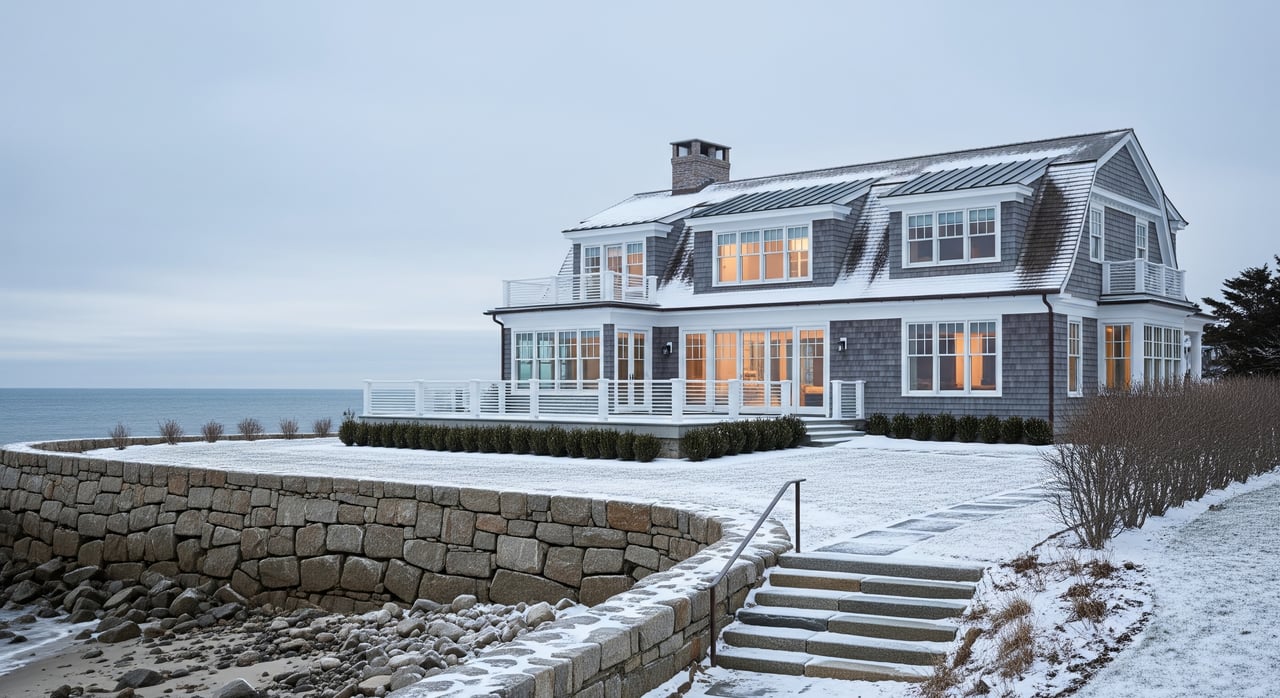
Nor’easters, salt spray, and sudden cold snaps are part of life on the South Shore. If you own a coastal home in Scituate, winter can be hard on roofs, pipes, and anything metal. With a little planning, you can prevent costly damage, keep systems running, and feel confident when storms roll in. This guide gives you a clear, step-by-step checklist tailored to Scituate’s shoreline conditions, plus tips for second homes and vendor coordination. Let’s dive in.
Why winterizing matters in Scituate
Scituate sits directly on open water, so homes see strong onshore winds, salt spray, and periodic storm surge. Over time, higher tides and sea level rise increase baseline flooding risk. You can learn more about long-term coastal trends from NOAA sea level rise resources and the Massachusetts Office of Coastal Zone Management.
Winter hazards to plan for include freeze-related pipe bursts, salt-driven corrosion of hardware and HVAC units, wind damage during nor’easters, and ice or snow buildup on roofs and walkways. For local storm advisories, road clearing, and shoreline rules, check the Town of Scituate official site. Know your utilities and their outage guidance as well. South Shore properties are commonly served by National Grid and Eversource.
Early fall: stabilize the exterior
Roof, flashing, and gutters
Start with the roof. Replace missing shingles, repair flashing, and confirm the chimney cap is intact. Clear moss and debris that trap moisture. Clean gutters and downspouts and test extensions so runoff sheds away from the foundation. Clogged drains and warm attics contribute to ice dams.
Heat system and chimney
Service your furnace or boiler and replace filters. If you use wood or oil, schedule a chimney sweep and inspection. A fall tune-up reduces mid-winter breakdowns and improves efficiency. Follow state guidance to prepare for severe cold and outages using Massachusetts winter preparedness tips.
Windows, doors, and decks
Inspect weatherstripping and exterior caulk. Check storm shutters or your plan for storm-rated plywood on vulnerable exposures. Tighten deck railings, repair loose boards, and ensure exterior fasteners are corrosion resistant.
Trees and branches
Trim back limbs that overhang the house and remove dead wood. This reduces the chance of roof and siding damage during high winds or ice events.
Late fall: seal, insulate, and prep systems
Protect plumbing
Insulate exposed pipes in attics, crawlspaces, and exterior walls. Label the main interior shutoff valve so you can find it fast. Drain exterior hose bibs or install frost-free valves and insulated covers. During extreme cold, leave cabinet doors open so warm air reaches pipes. These simple steps help prevent burst lines.
Sump pumps and backup power
If your basement is at risk of coastal flooding, test the sump pump. Confirm the float switch works and clean the inlet screen. Consider a battery backup or a generator connection so the pump runs during power outages.
Irrigation and landscaping
Blow out irrigation lines and drain hose reels. Move planters to sheltered areas. For yards exposed to spray, choose salt-tolerant plants and protect shrubs with burlap. The UMass Extension has resources on landscape care and plant selection for salt exposure.
Exterior sealing and walkways
Re-caulk gaps around windows and doors using exterior-grade or marine-grade sealants. Touch up coastal-rated paint or stain on siding and trim. Add non-slip treads to stairs and walkways. Plan snow piles away from the foundation to limit freeze-thaw stress.
Septic systems
If your property uses a septic system, follow maintenance and seasonal guidance from the U.S. EPA’s septic resources. Flooding and freezing can affect system performance, so plan service before winter and avoid driving heavy equipment on frozen leach fields.
Pre-storm: 24 to 48 hours before arrival
- Secure or store loose outdoor items like furniture, grills, trash bins, and boats on trailers. Anchor what you cannot move.
- Protect low openings with temporary sandbags or flood barriers if needed, and follow local guidance. FEMA’s flood preparedness and insurance page explains temporary measures and coverage basics. Review FEMA flood insurance information.
- If you expect a prolonged freeze or plan to leave, shut off water at the interior main and drain the system per your plumber’s instructions.
- Set your thermostat to a safe minimum. For vacant settings, many owners use 55°F. Install a smart thermostat or remote temperature monitoring if you will be away.
- Keep key contacts handy: plumber, HVAC contractor, roofer, electrician, and the Town of Scituate for emergency updates. Utility outage pages for National Grid and Eversource are also useful.
Second homes: two safe approaches
If the home will be vacant, choose a plan and document it.
- Full winterization. A licensed plumber drains domestic lines and the water heater, opens valves, and treats traps as instructed using products meant for plumbing systems. This is the safest long-vacancy option.
- Maintain heat with monitoring. Keep interior temperatures on a low schedule and add leak and temperature sensors. Arrange for a property manager or trusted local to check the home during cold snaps.
For broader cold-weather readiness and safety, review the state’s winter weather guidance.
Salt air and corrosion: what to use and watch
Salt accelerates corrosion on fasteners, railings, lighting, deck hardware, and exterior mechanicals. Plan shorter maintenance cycles and choose higher-grade materials in exposed zones.
- Fasteners and hardware. Marine-grade stainless steel, often 316, resists corrosion best. Hot-dip galvanized hardware is typically better than basic zinc plated. Avoid mixing incompatible metals without proper isolation.
- Paints and sealants. Use coastal or marine-rated coatings and flexible exterior caulks at window and door seams. Rinse salt deposits where practical and recoat on a shorter cycle.
- HVAC and appliances. Schedule a fall service visit and wash condenser coils. Consider a protective cage or shield if your unit faces wave spray. Change filters more often because salt and fine particulates build up along the coast.
Vendors, permits, and insurance
Who to schedule and when
- HVAC contractor for tune-up, fuel delivery coordination, and backup system checks.
- Licensed plumber for pipe insulation, heat tape, main shutoff verification, and winterization of second homes.
- Roofer or exterior pro for roof and flashing repairs, siding and caulking, and storm preparation.
- Chimney sweep for annual cleaning and inspection on wood, coal, or oil systems.
- Landscaper and tree specialist for pruning, storm prep, and emergency removals.
- Snow and ice contractor to ensure access and timely clearing. This helps with safety and policy compliance for second homes.
- Property manager or neighbor check-in service with clear instructions and emergency contacts.
Permits and shoreline work
Shoreline repairs, seawalls, bulkheads, and dune projects often require permits. Before altering the shoreline or starting major repairs, consult the Massachusetts Office of Coastal Zone Management and the local Conservation Commission via the Town of Scituate.
Flood insurance and documentation
Standard homeowners insurance does not cover flood. If your property is in a Special Flood Hazard Area, maintain an NFIP policy and plan for the typical 30-day waiting period for new policies. Learn more at FEMA flood insurance. Confirm your flood zone and base flood elevation using the FEMA Flood Map Service Center. Keep maintenance records, photos of exterior and mechanical systems, and a vendor contact list in one place.
Quick checklist: South Shore edition
- Early fall: roof and flashing inspection, clean gutters, HVAC service, chimney sweep, trim trees, check exterior fasteners and railings.
- Late fall: insulate pipes, drain hose bibs, winterize irrigation, test sump pump and backup, re-caulk and touch up paint, secure outdoor furniture, review insurance details and utility contacts.
- Pre-storm: elevate and secure outdoor items, move vehicles to higher ground if advised, protect low openings, fill fuel tanks, test flashlights and backups, set safe thermostat.
- If leaving vacant: choose winterize or maintain-heat plan, install remote monitoring, and hire a local property manager to check the home during cold weather.
Considering a coastal move or sale
If you are buying or selling along Scituate’s shoreline, a clear winterization plan gives you confidence and protects value. You can coordinate licensed vendors, set up property checks, and document systems before closing so you are ready for the first cold snap. A calm, organized process makes a meaningful difference during storm season.
Ready to talk about South Shore property strategy or a winter prep plan before listing? Connect with Doran‑Hall to align your goals, vendor resources, and timing. Request Your Home Valuation.
FAQs
Should I drain plumbing or just keep heat on in a vacant Scituate home?
- For long vacancies, either fully winterize with a licensed plumber or maintain a minimum heat setting with remote monitoring and local check-ins. Insurance and system condition help guide the choice.
How can I protect a coastal HVAC unit from salt and freezing?
- Schedule fall service, clean condenser coils, add a protective cage or shield if the unit faces spray, and insulate exposed piping to limit icing.
What metals hold up best in salt air near Massachusetts Bay?
- Marine-grade stainless steel, often 316, performs well in direct exposure. Hot-dip galvanized hardware is typically better than basic zinc plated. Avoid pairing incompatible metals without isolation.
Do I need flood insurance if my Scituate home is on higher ground?
- Flood risk varies by location. Check FEMA maps and consider coverage even outside high-risk zones. New NFIP policies usually have a waiting period, so plan ahead.
Are sandbags allowed at the shoreline in Scituate and do they work?
- Sandbags can provide temporary protection for low areas during a storm. Rules apply to placement and timing, so coordinate with the town, and remember they are not a long-term solution.